
Last‑mile delivery: how to optimize the final mile for happy customers
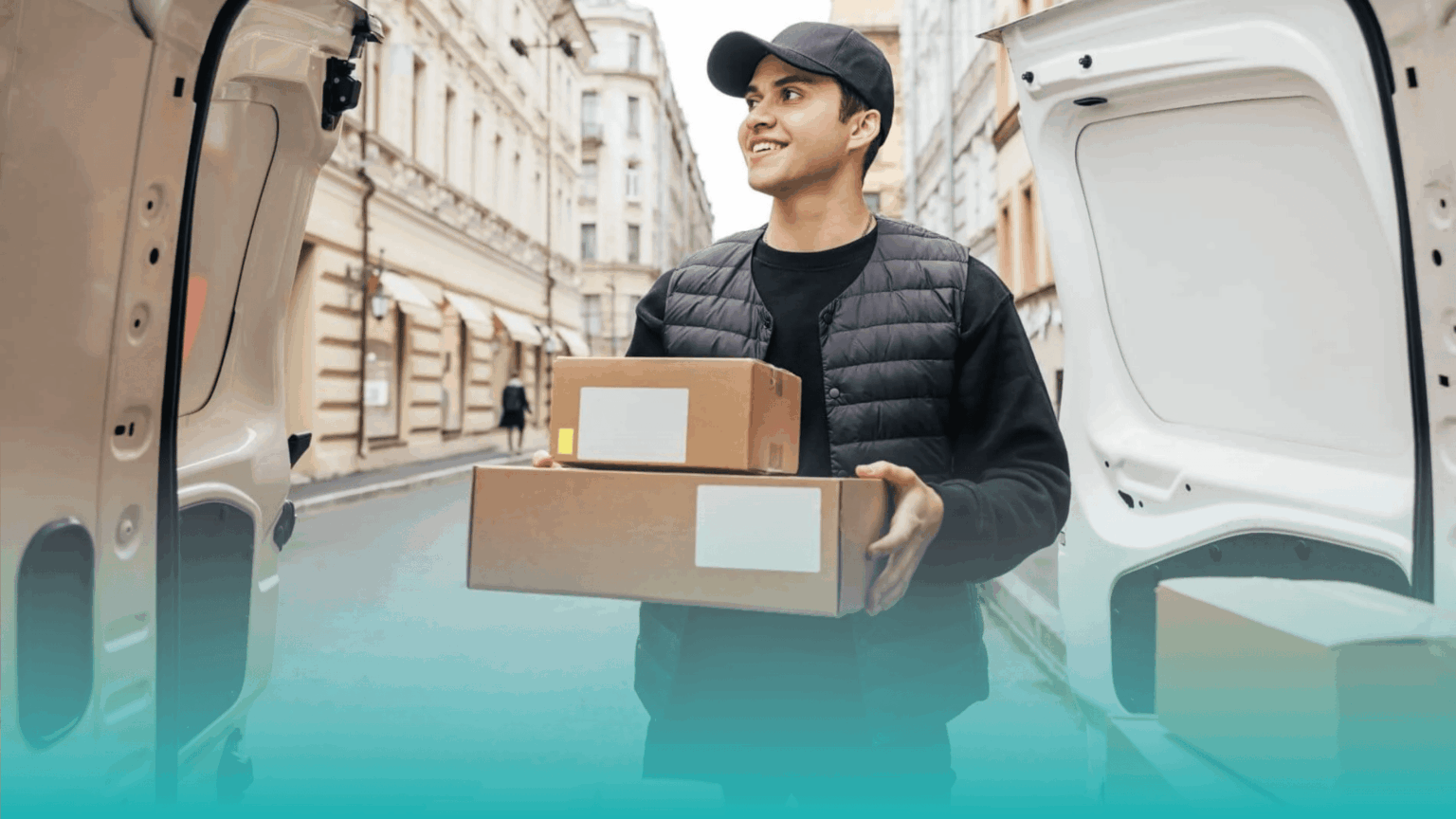
In today’s e‑commerce landscape, last‑mile delivery has evolved from a logistical afterthought into a critical business differentiator. Although it represents the final segment in a product’s journey, this phase accounts for more than 50% of total shipping costs and directly influences customer satisfaction. Recent studies show that over half of delivery costs are concentrated in the last mile, 66% of shoppers expect same‑day delivery, and 98% say the delivery experience shapes their perception of a brand. Under these conditions, optimizing the final mile is not optional, it’s strategic.
What is last‑mile delivery?
Last‑mile delivery refers to the final stage of the fulfillment process, when goods move from a warehouse or local hub to the customer’s doorstep. Despite being the shortest part of a package’s journey, it is the most complex and expensive stage due to urban congestion, tight delivery windows, labor shortages and rising expectations for speed. This phase involves route planning, driver management, real‑time tracking, customer communication and reverse logistics.
Why is the last mile so costly?
Research cited by Penske Truck Rental notes that last‑mile costs make up roughly 53% of a business’s total delivery expenses. High costs stem from multiple factors: congested city roads, unpredictable traffic, limited delivery time windows and a scarcity of qualified drivers. Moreover, each parcel requires individual handling and multiple stops, making efficiency paramount. Route optimization, volume consolidation and real‑time data are essential to controlling these expenses.
How does last‑mile delivery affect the customer experience?
Delivery quality has a profound impact on customer loyalty: 98% of consumers say their loyalty is influenced by the delivery experience. If deliveries fail to meet expectations, 84% of customers will not repurchase from the same brand. Visibility is equally important—nearly half of shoppers want greater transparency and proactive updates. Fast shipping has become the norm: two thirds of consumers expect same‑day delivery, and many are willing to pay extra for sustainable options.
Key challenges in last‑mile delivery
High and variable costs – the final mile demands significant resources for each individual order. Unpredictable volumes, traffic jams and delivery time windows complicate planning.
Rising customer expectations – shoppers now view delivery speed and flexibility as part of the product itself. Same‑day or next‑day shipping is expected in urban markets.
Driver and fleet management – finding and retaining qualified drivers is challenging; 37% of providers report driver shortages. Driver wages and benefits account for roughly a quarter of operational costs.
Returns and bad addresses – more than a quarter of delivery failures are due to incorrect address data. Efficient returns management and address validation tools help reduce costly mistakes.
Sustainability – younger generations are increasingly eco‑conscious. Seventy‑six percent of consumers are willing to pay a premium for environmentally friendly delivery options, and 60% of millennials shop online with sustainability in mind.
Strategies for optimizing last‑mile delivery
Route optimization and automation – leveraging AI and advanced routing algorithms reduces miles driven and speeds up delivery. Studies show that load pooling and route optimization can cut last‑mile costs by up to 25%.
Real‑time tracking and communication – transparency is critical. Modern platforms provide real‑time tracking, estimated delivery windows and proactive notifications, reducing customer inquiries and anxiety.
Diversified delivery options – offering lockers, pick‑up points or scheduled delivery windows gives customers flexibility and helps businesses consolidate routes. Urban deliveries via bikes or electric vehicles are faster and greener.
Data integration and predictive analytics – collecting and analyzing data from every delivery helps identify bottlenecks, optimize routes and allocate resources effectively. Forty‑one percent of industry experts prioritize data analysis in last‑mile logistics.
Partnering with specialized carriers – collaborating with multi‑carrier networks and last‑mile specialists provides scalability and access to negotiated rates. Outsourcing can reduce upfront investment while maintaining high service levels.
How Altexpress supports your last‑mile operations
At Altexpress we recognize that last‑mile delivery can make or break your customer experience. We’ve built an integrated logistics ecosystem comprising regional warehouses, carrier networks, easybox and pick‑up point options, and robust IT integration. Our platform offers 24–48 hour delivery nationwide, scheduled delivery windows, locker pickup and simplified returns. Real‑time tracking and customizable notifications keep you and your customers informed.
Through partnerships with multiple carriers, we secure preferential rates and match each shipment to the most efficient route. Whether you manage large volumes, special goods, or cold chain products, our Plus and PRO packages offer significant discounts and priority support. The savings often offset membership costs after only a few orders.
Explore more resources on our blog to enhance your logistics:
Reducing returns – learn how Reducing returns: benefits for business and environment can save money and support sustainability.
Dropshipping in Romania – discover Dropshipping in Romania: How Altexpress helps you ship quickly and efficiently can simplify your operations.
Eco-friendly packaging – explore Eco‑Friendly and Sustainable Packaging for greener shipments.
Special goods logistics – see Special Goods Logistics for handling fragile or bulky items.
Warehouse efficiency – read 6 Ways to Maximize Warehouse Efficiency to improve upstream processes.
Delivery options and conversion rates – check How Delivery Options Influence Conversion Rates in eCommerce to align your logistics with marketing.
FAQ – last‑mile delivery
1. What is last‑mile delivery?
It is the final segment of the logistics chain, when a parcel leaves a warehouse to reach the customer. Though the shortest leg, it is the most complex and expensive due to operational challenges.
2. Why does last‑mile delivery matter?
Because it directly affects customer satisfaction. Ninety‑eight percent of consumers link the delivery experience to brand loyalty.
3. How can I reduce last‑mile costs?
Invest in route optimization software, use lockers or pick‑up points, and partner with carriers offering negotiated rates.
4. Do I need to offer same‑day delivery?
Two thirds of consumers expect same‑day delivery. In dense urban areas this can provide a competitive edge; in less populated regions next‑day may suffice.
5. How do I handle returns?
Provide a clear returns policy and work with a logistics partner that efficiently processes returns. Integrated tracking systems help manage reverse logistics and minimize costs.
6. Are sustainable delivery options important?
Yes. Seventy‑six percent of consumers are willing to pay more for eco‑friendly delivery. Implement EV fleets, optimize routes and use eco‑friendly packaging to meet this demand.
Conclusion
The last mile is not just a logistical step; it’s a strategic element that can determine whether customers buy from you again. With more than half of delivery costs concentrated in this final segment and consumer expectations rising, businesses must invest in technology, flexibility and sustainability. Altexpress provides the infrastructure, carrier network and digital tools to turn last‑mile delivery into a competitive advantage. By optimising routes, offering flexible delivery options and embracing green logistics, you can deliver happiness to your customers—literally.