
What Happens to Your Orders When Couriers Are Overloaded and How to Save Them
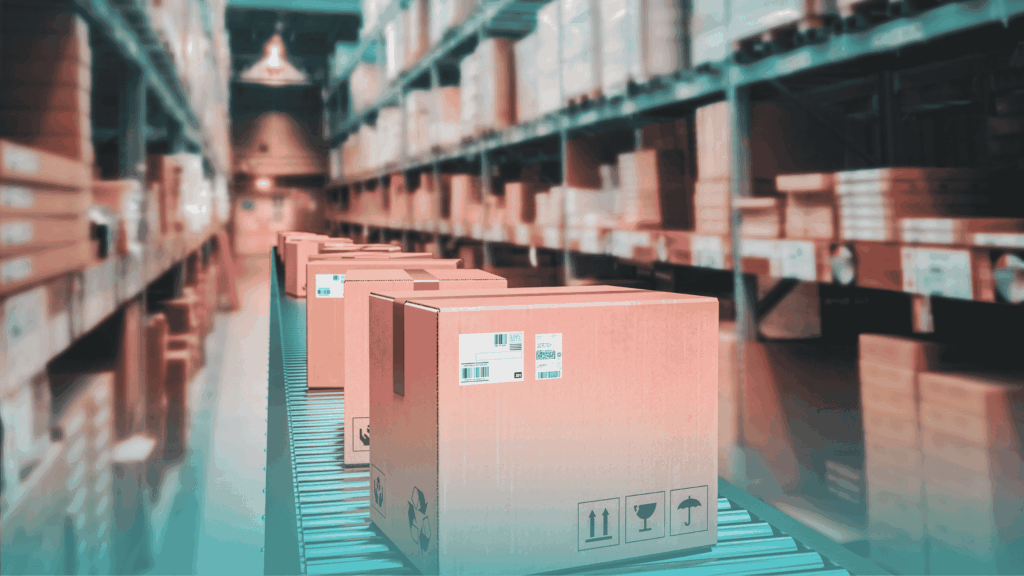
Late autumn and winter bring peak sales periods in e‑commerce. Events like Black Friday, Cyber Monday and the holidays create a sudden surge in orders, and courier companies face an avalanche of parcels. When volumes rise significantly during peak periods, couriers have to adjust their resources to maintain efficient services. If your logistics are not ready, every bottleneck in the warehouse, every overloaded route and every lost parcel translates into costly delays and unhappy customers. This article explains why these problems occur and how to prevent them so you can turn a busy season into a competitive advantage.
Why parcels get stuck during the busy season
During periods of heightened activity, the transport and logistics industry faces both unprecedented opportunities and challenges. The sector is transforming as digitalization becomes a key element of logistics; most processes are expected to be automated and optimized through advanced technological integration. At the same time, peak periods such as December or major sales events bring huge volumes and additional requirements, forcing companies to optimize processes and resources. If stocks aren’t planned in advance and workflows aren’t standardized, warehouses quickly become overcrowded and couriers can’t deliver on time.
Another factor is labour scarcity. Studies show that up to 70 % of a warehouse’s operating budget goes toward labour and that as much as 50 % of the time spent in warehouses is wasted due to inefficient processes. As fuel, maintenance and wage costs rise, companies need to automate warehouses and streamline deliveries. For example, automated conveyors and robots can sort and distribute products much faster, improving order processing speed. If businesses fail to invest in technology and optimized routes, they will face repeated bottlenecks and delays.
Impact on customers and the environment
Delays don’t just mean frustrated customers. Every parcel that goes missing becomes a return, and returns generate additional costs for reverse logistics, extra packaging and redundant routes. Warehouse efficiency directly impacts delivery times and when rising volumes are not managed well, large portions of time are wasted in warehouses. Moreover, each return means extra CO₂ emissions and material consumption. Sustainability is becoming a decisive factor in logistics: organizations are expected to implement ecological strategies, such as electric vehicles and route optimization, to reduce emissions.
How to prepare your logistics for the surge in orders
A careful plan and adoption of best practices can turn a hectic season into an opportunity to build customer loyalty. Here are a few recommendations:
1. Automate and digitalize your operations
Digitalization is central to the evolution of logistics, with platforms like Altexpress playing a crucial role in automation and process optimization. A warehouse management system (WMS) provides real‑time visibility into inventory levels, ensuring a continuous and optimized flow of orders. Automated picking systems can increase product processing capacity three to four times compared with manual picking. Integrating these solutions with your e‑commerce platform helps you manage peak periods more effectively.
Useful link: Learn more about digitalization and new technologies in logistics in the article Trends in Transportation and Logistics in 2024 .
2. Optimize your warehouse and standardize processes
Efficiency in the warehouse is crucial during peak seasons. Up to 70 % of warehouse operating budgets go towards labour, and inefficient processes can waste half of the time spent on operations. Automating receiving, picking and packing increases processing capacity and reduces errors. Standardizing workflows eliminates ambiguities and ensures that every employee follows the same procedures. This allows you to monitor performance and quickly identify bottlenecks.
Useful link: For advice on maximizing efficiency in the warehouse, read 6 Ways to Maximize Warehouse Efficiency .
3. Outsource certain operations intelligently
As your business grows, managing warehouse and delivery internally can become overwhelming. Outsourcing means delegating activities like warehousing, inventory, packaging and shipping to a specialized provider. In a small online store, for example, the owner may find that order management limits their ability to focus on design and marketing. By delegating order processing to a 3PL, the provider handles all logistic operations, including receiving stock, packing and shipping, while the entrepreneur concentrates on core activities. Outsourcing can reduce costs and provide access to advanced technology and flexibility, but it also requires careful partner selection.
Useful link: To understand how logistic outsourcing works and when it is appropriate for your business, check the article Outsourcing Logistics: How and Why to Do It .
4. Protect and package products properly
Many returns during peak periods arise from damage to sensitive products. Logistics for fragile or bulky goods can quickly become a source of unexpected costs and headaches. Mistakes or a lack of planning lead to unexpected fees, costly returns and unhappy customers. Proper protection requires packaging tailored to each product, not a one‑size‑fits‑all solution, and effective cushioning materials like bubble wrap or shock‑absorbing foam. Visible labels such as “Fragile” or “Handle with Care” and strategic storage—never stacking fragile items under heavy parcels—are also essential. In addition, be aware of volumetric weight: couriers calculate costs based on the space a parcel occupies, not just its physical weight. An office chair might weigh 8 kg but have a volumetric weight of 30 kg, increasing shipping rates and warehouse space requirements.
If you want to reduce your environmental impact, consider sustainable packaging. Eco‑friendly packaging is made from recycled, biodegradable or compostable materials that don’t harm the environment. Choosing sustainable solutions reduces waste and carbon footprint while building customer trust and loyalty. In e‑commerce, packaging is often the first physical point of contact between customer and brand; a thoughtfully packed parcel free of unnecessary plastic can lead to repeat orders.
Useful link: A comprehensive guide on Logistics for Special Products explains how to protect fragile or bulky items during shipping. For insights into sustainable packaging, see Eco‑Friendly Packaging in eCommerce: Trend or Necessity? .
5. Plan routes and communicate transparently
Fast and transparent delivery depends on optimized routes and clear communication with customers. Peak periods require rigorous planning and collaboration with a logistics partner capable of handling increased demand. Clearly communicating delivery times and offering alternatives such as lockers, pick‑up points or scheduled delivery shows customers that you care about their experience.
6. Choose a reliable logistics partner
Working with an e‑fulfillment partner helps you manage large volumes and benefit from advanced technology. A company like Altexpress provides personalized solutions, managing the entire process from storage to delivery and returns. With strategically placed warehouses in Romania and Europe and a WMS that enables real‑time stock monitoring, Altexpress ensures fast and optimized deliveries. Its e‑fulfillment services integrate with e‑commerce platforms, generate automatic AWBs and provide live tracking. Partnering with a provider that invests in sustainability also reduces your carbon footprint.
Frequently asked questions (FAQ)
Do peak periods affect delivery times?
Yes. During key times of the year, volumes rise significantly, and companies must adjust their resources to maintain rapid deliveries. Without proper planning, delivery times extend.
How can I prevent bottlenecks in the warehouse?
Implement a WMS, automate picking and packing and standardize workflows. Optimize your storage space and consider partnering with an e‑fulfillment provider to handle large volumes.
Is outsourcing logistics a good solution for me?
Outsourcing can reduce costs and allow you to focus on core activities. However, ensure your chosen partner has the necessary experience, modern technology and can guarantee service quality.
What should I do if I have fragile products?
Choose customized packaging, use shock‑absorbing materials and label parcels with “Fragile”. Discuss volumetric weight and shipping conditions with your logistics partner.
How does Altexpress help during busy periods?
Altexpress offers comprehensive e‑fulfillment solutions, integration with e‑commerce platforms, real‑time stock monitoring and fast deliveries. It also promotes sustainable practices, adopting eco‑friendly packaging and optimized routes.
Conclusion
Busy seasons don’t have to become a logistics nightmare. With careful planning, process automation and a close collaboration with an experienced partner, you can turn each peak period into an opportunity. Invest in digitalization and standardization, outsource when necessary and pay attention to packaging sensitive products. Make sustainability a priority—not just for the planet but also for your brand image. Choose a logistics partner like Altexpress to navigate the next busy season successfully and keep your customers happy.